DEBUG: /blog/ | section | blog | Sections=6

Fishing Knowledge Center

Expert guides backed by science — fish behavior, weather patterns, seasonal strategies, and species-specific techniques.

Pillar Guides

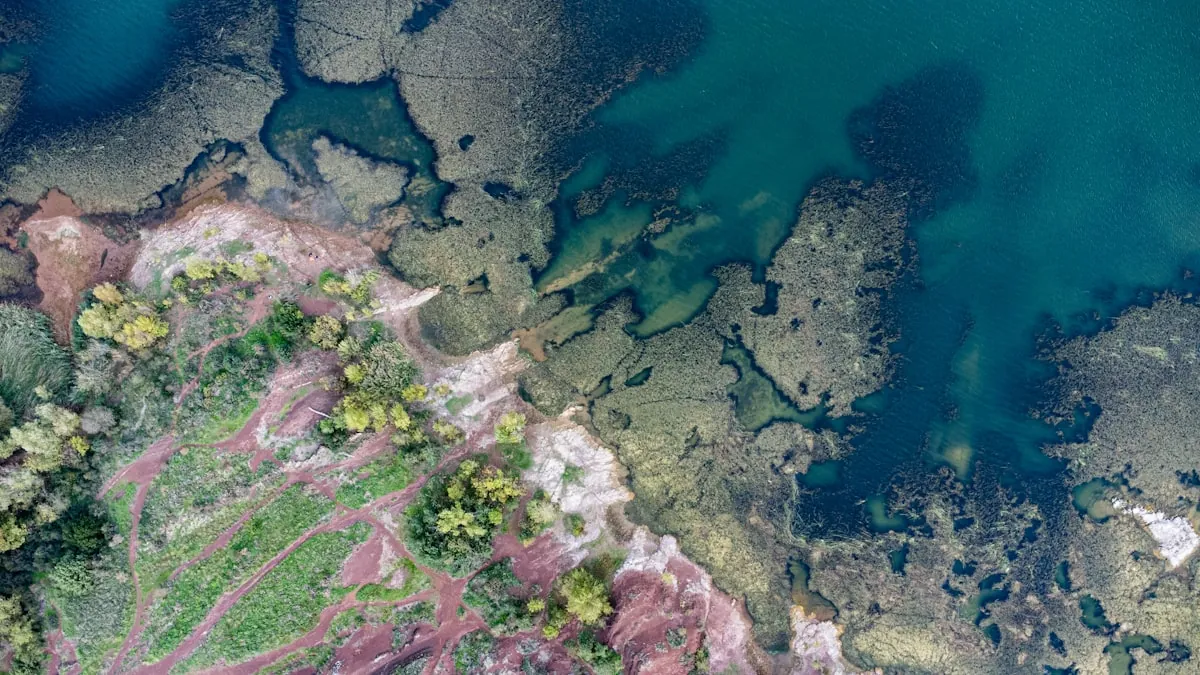
How to Read a Lake: Finding Fish in Still Water

How to Read a Lake: Finding Fish in Still Water

You can have the perfect rod. The perfect bait. The perfect weather window.

But if you are casting into empty water, you will catch nothing.

Learning how to read a lake is the single most important skill in stillwater angling. It is the difference between random casting and deliberate targeting.

There is a principle every experienced angler eventually discovers:

90% of fish are in 10% of the water.

Your job is not to cover the entire lake. Your job is to find that 10%.
Spring Fishing Guide: Best Species, Times & Techniques

Spring Fishing Guide: Best Species, Times & Techniques

Spring fishing is not about small adjustments. Spring rewrites the rules entirely.

After months of winter dormancy, freshwater ecosystems wake up fast. Water warms. Insects hatch. Baitfish move shallow. Predators that have barely fed all winter suddenly become active. For many anglers, it is the most exciting and productive season of the year.

But spring is also unstable. Fish behavior can shift dramatically within a single week. One warm spell can ignite explosive feeding. One cold front can shut everything down.

Best Times to Fish for Pike: A Complete Guide

Best Times to Fish for Pike: A Complete Guide

Northern pike are not random feeders. They are calculated, energy-efficient ambush predators that move according to light levels, temperature shifts, and atmospheric pressure. If you have ever experienced a day where pike seemed to strike every cast — followed by hours of complete silence — you have already witnessed how structured their feeding behavior really is.

Understanding the best time to fish for pike is not about luck. It is about recognizing predictable biological patterns and aligning your time on the water with their activity peaks.

Best Time of Day to Go Fishing: A Science-Based Guide

Best Time of Day to Go Fishing: A Science-Based Guide

If you ask ten experienced anglers the best time of day to fish, nine will answer the same thing: dawn and dusk.

They are not wrong.

But they are also not telling the full story.

The real answer to “when to go fishing” depends on species, season, water type, weather stability, and even lunar positioning. Light transitions matter — but they are only one part of a much larger biological equation.

Freshwater Fishing for Beginners: Everything You Need to Know

Freshwater Fishing for Beginners: Everything You Need to Know

Freshwater fishing beginners often imagine it as complicated — full of technical gear, secret spots, and years of experience.

The reality is very different.

Fishing is one of the most accessible outdoor activities in Europe. You can start with simple equipment, basic knowledge, and a quiet local pond — and catch fish on your first session.

This beginner fishing guide walks you through everything you need to know: essential gear, easy species, where to fish, when to go, and how to use simple techniques that actually work.

Latest Articles

What Lure Weight Ratings Really Mean (And How to Use Them)

Lure weight rating is the most practical specification on any fishing rod.

It tells you what the rod is designed to cast.

Yet many anglers treat lure ranges as vague suggestions — and then wonder why casting feels awkward, why distance is poor, or why sensitivity seems low.

If you understand lure weight ratings, you can match rod, lure, and line into a balanced system.

This guide explains what lure weight ranges really mean, how to choose the right range for your fishing, and the common mistakes that waste performance.

How to Read Fishing Rod Specifications Like a Pro

Fishing rod specs look straightforward until you compare two rods that claim the same numbers — yet feel completely different.

That’s because rod specifications are part physics, part convention, and part marketing.

If you learn how to read fishing rod specifications correctly, you stop buying rods based on vague labels and start choosing tools that match your technique.

This guide explains every common spec you’ll see on a rod, what it really means, and what to ignore.

How Rod Length Affects Casting Distance, Control & Hooksets

Rod length is one of the most visible differences between setups.

Yet many anglers choose length based on habit rather than mechanics.

A 2.1m rod and a 2.7m rod do not behave the same — even if power and action are identical.

Length directly affects casting distance, line control, leverage, hooksets, and fatigue.

Understanding these mechanics allows you to choose the right tool for your fishing environment.

Why Longer Rods Cast Further

Casting distance is partly determined by leverage.

Understanding Rod Action: Fast vs Moderate vs Slow Explained

If rod power defines strength, rod action defines behavior.

Two rods can have identical power ratings — yet feel completely different on the water.

That difference comes from action.

Understanding rod action is critical for hookset efficiency, lure control, fish retention, and casting performance.

This guide explains exactly what Fast, Moderate, and Slow action mean — and how to choose the right one for your techniques.

What Rod Action Actually Means

Rod action describes where the rod bends along the blank when pressure is applied.

Understanding Rod Power (UL, L, ML, M, MH, H, XH) in Depth

Rod power is one of the most misunderstood specifications in fishing.

Ultra Light, Medium Heavy, Extra Heavy — these labels appear simple, yet they control how a rod loads, casts, sets hooks, and handles fish under pressure.

Choosing the wrong rod power creates constant inefficiency. Lures feel awkward. Hooksets lack precision. Fish either pull free — or the rod feels lifeless.

This guide breaks rod power down scientifically, so you understand what each rating truly means and when to use it.

How to Balance Rod and Reel Properly for Maximum Comfort & Performance

A perfectly matched rod and reel feel almost invisible in your hand.

An imbalanced setup feels heavy, awkward, and fatiguing — even if both components are high quality.

Balance influences casting rhythm, sensitivity, hookset control, and long-session comfort.

This guide explains how rod and reel balance works, how to test it, and how to build a setup that feels efficient rather than exhausting.

What “Balance” Actually Means

Balance refers to how weight is distributed along the rod when the reel is mounted.

The Complete Guide to Fishing Rods: Power, Action & Specifications Explained

Fishing rods look simple.

A handle. A blank. A few guides.

But the numbers printed on a rod — power, action, lure weight, line rating — determine everything about how it performs on the water.

Understanding fishing rod specifications is one of the biggest upgrades an angler can make. The right rod improves casting distance, hooksets, lure control, fish fighting power, and overall efficiency.

This guide explains rod power, rod action, length, lure ratings, materials, and how to interpret specifications correctly — without marketing noise.

River Fishing: How to Find the Best Spots

River Fishing: How to Find the Best Spots

Rivers are full of fish — if you know where to look.

Unlike lakes, rivers are never static. Water moves. Oxygen shifts. Food drifts constantly downstream. Fish cannot sit randomly in a river. They must position themselves strategically to survive.

That is why understanding river fishing spots is the single most transferable skill in freshwater angling. Once you learn how to read a river, you can arrive at any stretch of flowing water — in any country — and immediately identify high-percentage areas.

How to Read a Lake: Finding Fish in Still Water

How to Read a Lake: Finding Fish in Still Water

You can have the perfect rod. The perfect bait. The perfect weather window.

But if you are casting into empty water, you will catch nothing.

Learning how to read a lake is the single most important skill in stillwater angling. It is the difference between random casting and deliberate targeting.

There is a principle every experienced angler eventually discovers:

90% of fish are in 10% of the water.

Your job is not to cover the entire lake. Your job is to find that 10%.
10 Fishing Mistakes Beginners Make (And How to Fix Them)

10 Fishing Mistakes Beginners Make (And How to Fix Them)

Every angler remembers their first blank session.

You wake up early. You pack your gear. You find a beautiful lake. You cast perfectly.

And nothing happens.

If you’ve ever asked yourself, “Why am I not catching fish?”, you are not alone.

Most empty sessions come down to a handful of simple beginner fishing errors that are easy to fix once you recognize them.


Mistake #1: Fishing at the Wrong Time

This is the biggest one.

Night Fishing: Tips, Safety & Best Species to Target

Night Fishing: Tips, Safety & Best Species to Target

Night fishing is not just about seeing in the dark.

It is about understanding how fish behave when the sun disappears.

After sunset, the entire freshwater ecosystem changes. Light fades. Boat traffic stops. Shorelines grow quiet. Many species that seemed inactive during the day suddenly begin to move.

For some fish, night is not secondary. It is prime time.


Why Fish at Night?

Fishing at night is not just a novelty — it is often strategic.

Catch and Release: Best Practices for Fish Survival

Catch and Release: Best Practices for Fish Survival

Catch and release fishing is one of the most important habits modern anglers can adopt.

It allows us to enjoy the sport, target large fish, and preserve healthy populations for the future. But catch and release only works when it is done correctly.

Done properly, survival rates can exceed 90–95%. Done poorly, fish may swim away — only to die hours or days later from stress, injury, or infection.

Ethical fishing is not just about letting fish go. It is about ensuring they survive.

About the Knowledge Center